

Like any popular travel destination, tourists are free to bask in the rich culture of Bali, as long as they behave politely and respect the local laws set in place.
Bali has specific laws and regulations that tourists should be aware of to ensure a safe and enjoyable visit. There are national laws applied all throughout the country, and there are also local regulations and unique cultural norms that are applied only in the island, whether you're a local or foreign tourists.
Let's get a closer look at those laws and regulations, as they could provide guidelines for the dos and don'ts while you are in Bali.
Entry Requirements
Visa Regulations
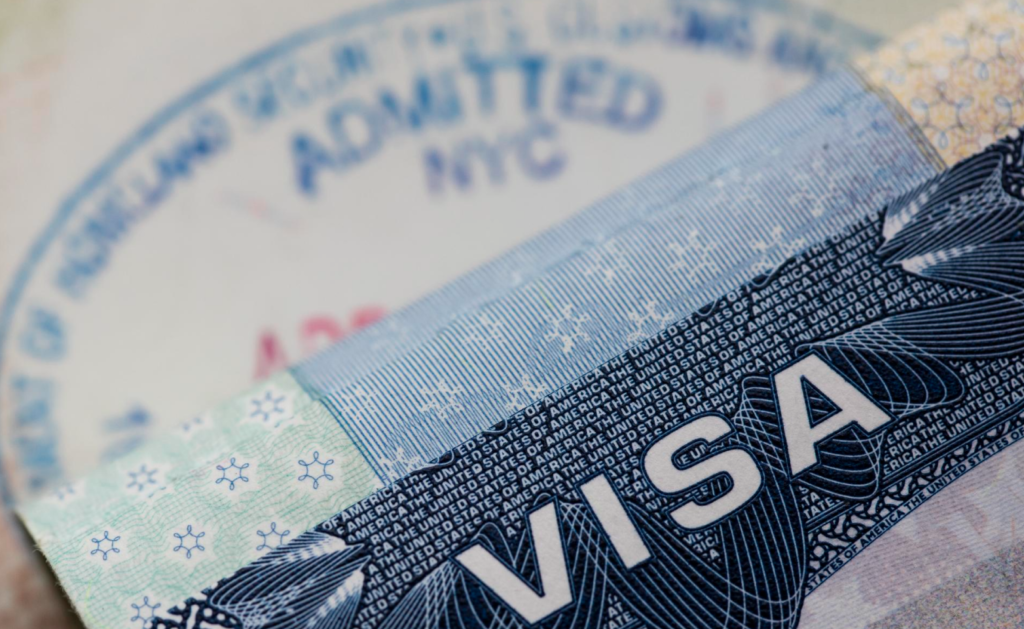
Foreign tourists from most countries can enter Bali by applying for a tourist visa from your home country, or apply for a Visa on Arrival. Check with your country's embassy before traveling to confirm your eligibility and current entry requirements. This visa is valid for 30 days and can only be extended once.
Overstaying your visa carries real consequences. You can be fined up to IDR 1,000,000 per day, detained, or deported by authorities. If your plans change and you need more time, apply for an extension well before the expiry date, not on the day itself.
It is essential for your passport to be valid for at least six months from your date of entry to Indonesia, and you'll need a return ticket. These are standard requirements that catch people off guard more often than they should.
A digitized system, the All Indonesia e-Arrival Card, must be completed online within 72 hours before arrival in Bali.
Bali New Tourist Levy

The Balinese government has introduced a new tourism levy introduced on February 14, 2024. It requires that all foreign tourists entering Bali must pay a retribution fee of 150,000 IDR (approximately 10USD). This tourist tax applies only once during a trip to Bali for all foreign nationals entering the province.
Guests can pay the fee either through the official Love Bali website or through the app. Alternatively, you can also pay it on the spot using debit/credit cards.
Alcohol & Drug Laws

The legal drinking age in Indonesia is 21 years old, and this applies to all residents and tourists. All travelers are only permitted 1 litre of alcoholic beverage, such as wine bottles, per adult inside a checked luggage. Should you exceed the permitted limit you will have to declare with immigration.
And it goes without saying, but drink responsibly whether you're in public places or in your villa with friends. Avoid driving your own vehicles when you feel unsure of your own sobriety.
The Indonesian government has some of the strictest drug laws in the world, and Bali is no exception. There is zero tolerance for possession, use, or trafficking of any illegal drugs, including marijuana and certain prescription medications that are controlled in Indonesia but legal elsewhere.
Even small amounts of illegal drugs, including marijuana and prescription medications with certain ingredients, can lead to significant legal trouble in Bali.
Penalties for illegal activities are severe: lengthy prison sentences, heavy fines, and in trafficking cases, the death penalty. These aren't theoretical consequences. Foreigners have served harsh consequences, including lengthy prison sentences and deportation as local authorities have zero tolerances for drug-related offenses. If you take prescription medication, check its legal status in Indonesia before you travel and carry documentation from your doctor.
Traffic Rules
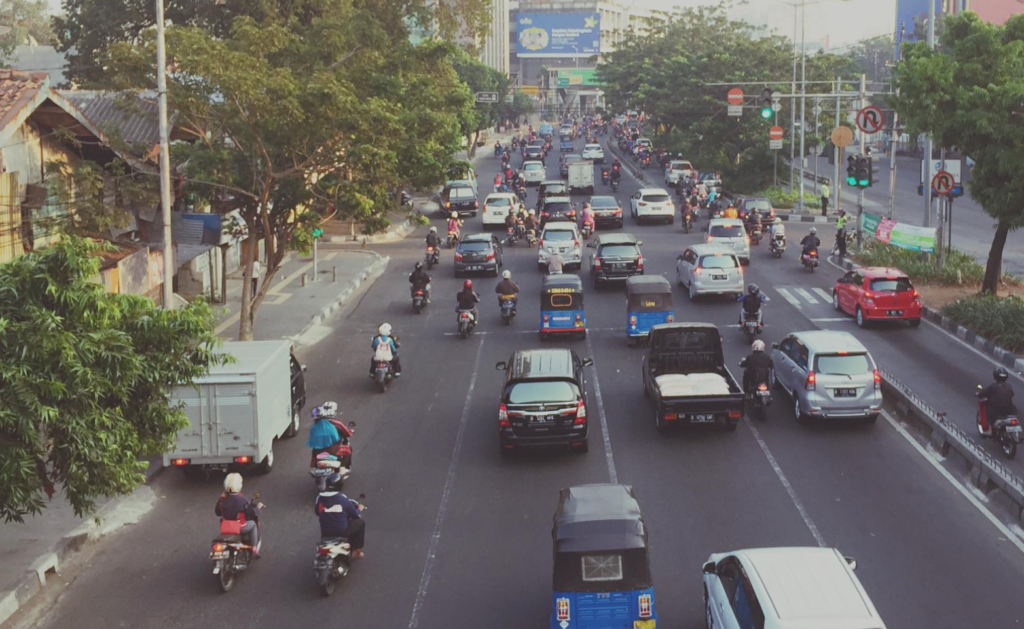
Bali's roads are chaotic in a way that surprises most first-time visitors, and the traffic rules are enforced with increasing seriousness. Here are the essential topics to focus on driving and road safety in Bali
- To legally drive a car or ride a scooter in Bali, make sure that you have an International Driver's Permit (IDP) along with your home country's driver's license with you. Should you be caught without a valid license, you can face up to a IDR 1,000,000 fine.
- Check for official rental licenses before you rent a scooter or motorbike.
- Wearing helmets is a non-negotiable when riding a scooter or motorcycle. Not just for your safety, but for the safety of fellow tourists and local people. When caught, you are at risk of being fined or having your scooters consfiscated.
- Seat belts must be always worn when driving or riding in a car.
- Drive cautiously and be aware of local driving habits. Traffic in Bali can be chaotic, and roads are often crowded. Still, obey traffic laws.
Religious Regulations and Sensitivities
One of the many reasons foreign tourists still flock to Bali is for the culture. From sacred statues, holy places, It's not just some ancient spectacle commercialied as Instagrammable tourist attractions; these little things are deeply intertwined with the daily life of the Balinese.
Here are a couple of cultural norms and unwritten rules widely respected by both tourists and locals.
Temple Visits

Bali is predominantly Hindu, and respect for local customs and religious practices is essential. Daily religious ceremonies still happen in these temples, so be flexible when the temples you wish to visit are closed.
When visiting temples, either alone or with licensed tour guides, make sure that you dress modestly, covering your knees and shoulders. Sarongs and sashes are often required and can be rented or borrowed at temple entrances. Furthermore, women who are menstruating are not allowed to enter temples.
Remember, you are entering a sacred place often surrounded by sacred objects with religious symbols. Refrain from touching structures without permission
Indecent behavior at sacred sites are strictly forbidden. This will lead to serious legal trouble that may end in deportation.
Also Read: CANGGU OR ULUWATU – WHICH MORE WORTH TO VISIT IN 2024?
Laws on Nyepi

One of the most significant religious festivals in Bali is Nyepi, also called the "The Day of Silence," which is devotedly followed by the Balinese Hindu community. The island enters a state of lockdown for 24 hours during Nyepi (6 AM to 6 AM the next day)
Many tourists visit Bali for this sole reason: to watch the thrilling evening parade of demon-shaped paper maché called "Ogoh-ogoh" in the streets before descending into profound silence.
Like residents, tourists are not permitted to wander around or leave their accommodations. It is advised to buy essential food supplies and schedule a peaceful day spent indoors.
Respecting Local Customs

The local culture in Bali may seem unfamiliar to many tourist. Something as small as using your right hand to give or receive items, as the left hand is considered unclean.
Do not step on the small roadside offerings and be mindful of sacred trees–ones usually clothed with checkered fabric around the bark.
Be it popular photo spots or rural areas, visitors are advised to ask for permission before taking photos of people, especially during religious ceremonies, to show respect for their customs.
Drone usage is regulated, and you may need special permits to fly drones in certain areas.
These may not be an official Bali law, but being mindful of these little things will have locals welcome you with open arms.
Laws on Cohabitation of Unmarried Couples

Recently, Bali has imposed new rules prohibiting unmarried couples from cohabitating or engaging in sexual relationships. The governor of Bali has stated that this law will only concern Indonesian citizens, and will only be enforced if the complaint is made by a family member of the Indonesian citizen involved. This is aimed to uphold traditional values within the country
Tourists visiting Indonesia will not be charged under this law, meaning unmarried foreign couples are allowed to stay together and not required to show a marriage license.
However, both citizens and tourists must be informed of the important changes in Indonesian and Bali law. Continue to dress modestly, minimize public displays of affections especially in sacred areas, and keep a shirt or shawl on hand for transitioning from beachside strolls to beachside dining at a restaurant.
Financial Transactions
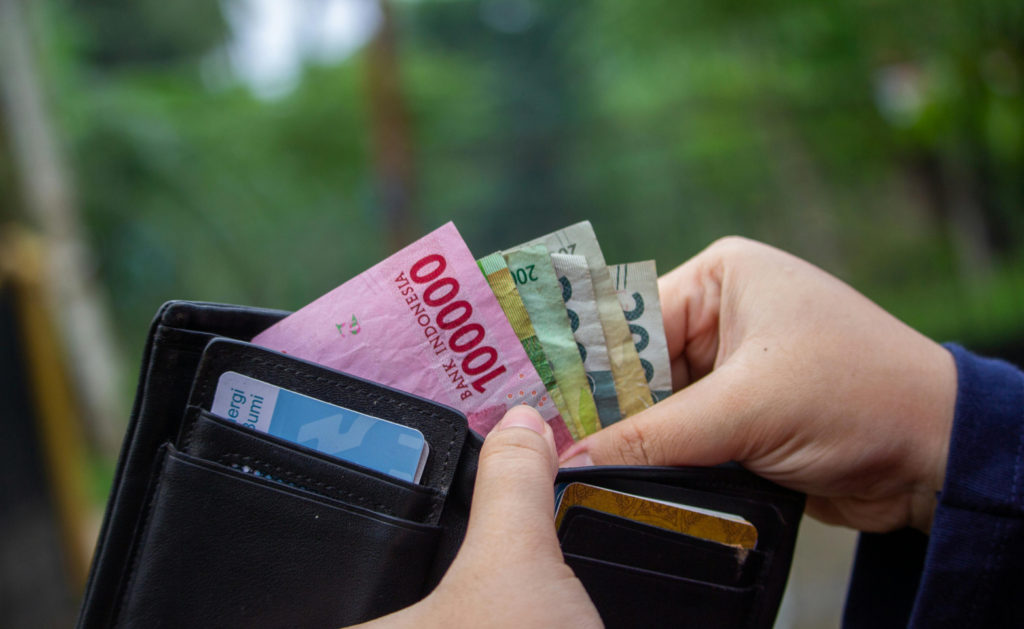
The official currency in Bali is the Indonesian Rupiah (IDR). You can conduct transactions via credit cards, QR code logo, or cash. It is still advisable to carry cash, as some smaller businesses may not accept credit cards.
Consider keeping a handful of bank notes like 100,000, 20,000, and 50,000 to avoid awkward shuffling for change usually around tourist attractions and sacred areas that require a small entrance fee.
Exchange your foreign currency at authorized money changers, like BMC Money Changer and Central Kuta Money Exchange to avoid skimming and cases of theft.
Additionally, haggling is common in markets and smaller shopping areas, but always do so politely and with a smile.
Also Read: 8 THINGS TO DO IN SOUTH BALI
Environmental Protection

Always leave a place better than when you found it, and this includes when visiting tourist attractions.
- Dispose of your trash properly to avoid fines. Bali has strict regulations against littering.
- Do not touch or remove coral and marine life. These ecosystems are protected, and disturbing them can result in fines or imprisonment.
- Bali has banned single-use plastics, including plastic bags, straws, and Styrofoam. Bring reusable bags and bottles to reduce waste.
Final thoughts
By being mindful of these written and unwritten laws in Bali you can ensure that your trip is safe, respectful, and enriching not just for you, but also for the local communities. Remembering the little things go a long way, so you can comfortably sail into the beauty and culture of Bali as a responsible and informed traveller.