

Most people come to Bali for the temples, the rice terraces, and those sunsets that turn the whole sky orange. But there's another Bali, one that doesn't make it onto postcards just waiting just below the waterline.
Beneath the surface, the island holds coral kingdoms, underwater cliffs, and marine life so dense and colorful it takes a moment to process what you're actually looking at. This is why snorkeling in Bali draws ocean lovers from across the world to Indonesia.
It's not just an excursion; it's an initiation into a world where nature moves to its own rhythm, far away from the crowds of Seminyak or Ubud.
From floating above the coral-encrusted hull of the USAT Liberty wreck in Tulamben to drifting alongside manta rays off Nusa Penida's coast, Bali's underwater world rewards anyone willing to look.
And what better way than to embark on a voyage with The Shivanna for the ultimate oceanic experience?
Why Snorkeling in Bali is World-Renowned
The numbers help explain it. Bali's reefs host hundreds of distinct coral species and dozens of tropical fish families. Underwater visibility regularly hits 20 to 30 meters, turning a simple snorkeling session into something panoramic.
The topography varies more than most people expect. Some spots are shallow, calm lagoons where beginners barely have to work. Others are dramatic drop-offs where the seafloor simply disappears into deep blue. Shipwrecks, volcanic rock formations, hidden coves —each location has its own character.
If you are searching for the best snorkeling spot in Bali, you’ll find that there are several top locations to choose from, each offering unique experiences and conditions.
The best snorkeling in Bali is concentrated around the Nusa islands, Amed, Tulamben, and Menjangan Island. But the mode of arrival matters more than people realize. Most travelers endure long, choppy rides in crowded boats to get there. A private yacht charter reframes the whole experience — you arrive relaxed, on your own schedule, with the coastline as your backdrop instead of something to endure.
And then there’s how you get there. Traditionally, most travelers pile into boats, some sturdy, some less so, and enduring long rides across choppy seas. But now, luxury travelers are rewriting the script. A private yacht charter is where the party is at, sailing across the breathtaking coastlines with style before dipping into the turquoise waters. It’s not just efficient; it’s unforgettable.
Best Time and Conditions for Snorkeling in Bali?
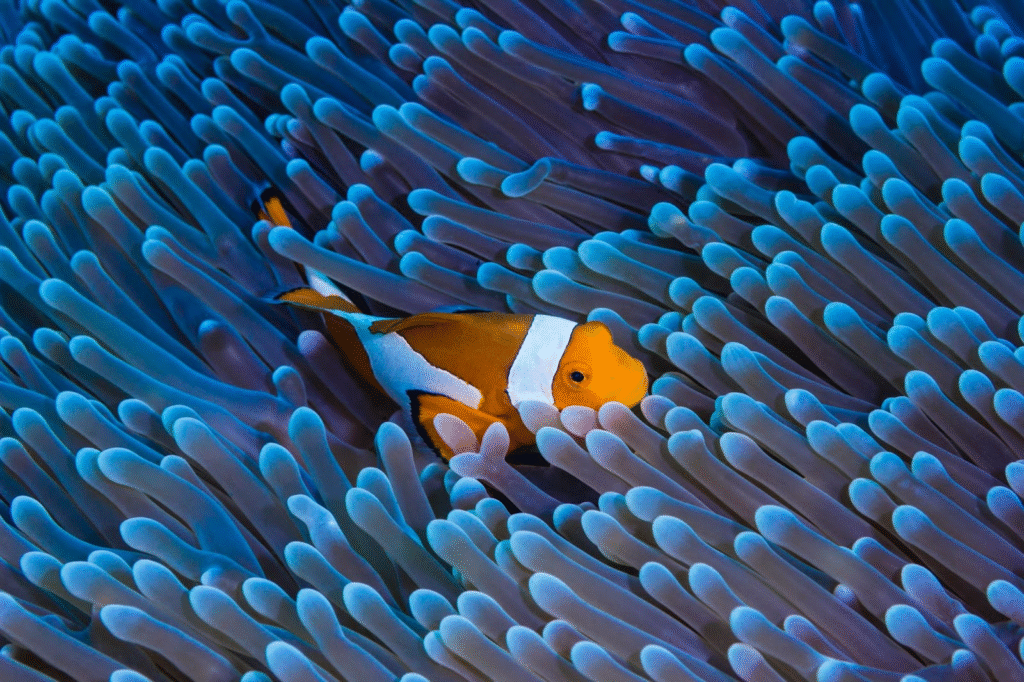
Timing is everything. If you want the sea at its most welcoming, aim for the dry season, April through October. This dry season offers optimal visibility that will make you seem like swimming in a large aquarium.
Morning hours are best. The water is still, fewer boats are around, and the angle of sunlight turns the corals into a living kaleidoscope. Plus, if you’re lucky, you’ll have entire stretches of reef almost to yourself. It’s a rarity in a place as popular as Bali!
The best time of day for snorkeling is between 9:00 AM and 11:00 AM when the water is calmest and light is best for photography.
What to Pack for Snorkeling in Bali
You don’t need much to enjoy Bali’s reefs, but a few essentials make the difference between a good day and a great one:
- Snorkel gear that fits well. Rentals are everywhere, but you can opt to buy your own gear for better fit and future snorkeling adventures. Gear rentals will usually cost Rp 50,000 to Rp 150,000 per day.
- Reef-safe sunscreen. Regular formulas damage corals, and many dive shops now insist on eco-conscious alternatives.
- Rash guard or thin wetsuit. Protection from both sun and jellyfish stings.
- Waterproof camera or GoPro. You’ll regret leaving it behind when you see the marine life.
- Cash. Consider tipping your guides after an exciting snorkel. Plus, nothing beats a plate of nasi campur after a swim!
- Respect. These reefs are alive, fragile, and easily harmed. A single careless fin kick can break coral that took centuries to grow.
Best Snorkeling Spots in Bali
Nusa Penida
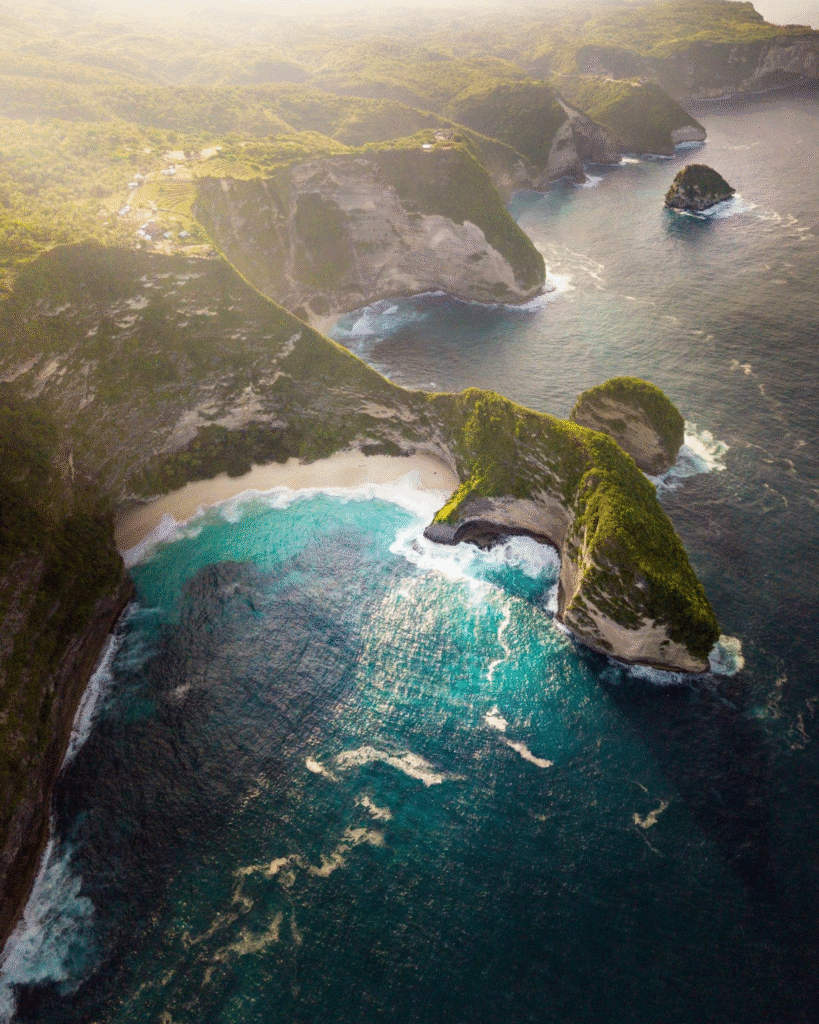
This is where you go to snorkel with manta rays. Manta Point lives up to everything people say about it — giant rays moving through the water with complete indifference to the humans above. Between July and October, the island is also one of the best places in the world to spot the elusive mola mola (ocean sunfish).
Nearby Crystal Bay is exactly what the name implies: clear water, reef fish in abundance, and a pace that feels genuinely unhurried.
Difficulty: Beginner-friendly in most areas, though currents at Manta Point can be strong. A guide is recommended there.
Highlights: A trip to Nusa Penida isn’t complete without visiting the famous T-Rex Cliff at Kelingking Beach. If you’re looking to get out of the saltwater, then the Tembeling Natural Pool is just a hike away.
Tulamben
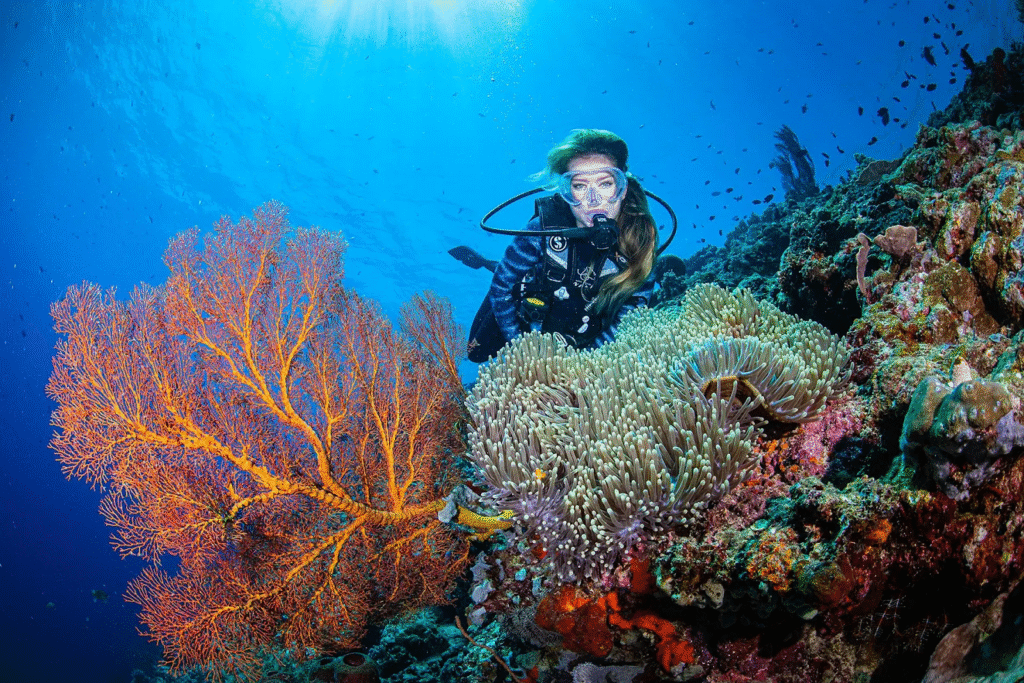
Tulamben is known for snorkeling above the USAT Liberty wreck, which is close to shore and offers excellent marine life.
The legendary USAT Liberty wreck, sunk in World War II, now coated in corals and alive with fish. It’s eerie, beautiful, and easily accessible from the shore. Even from skimming the surface, you can already see this iconic underwater monument teeming with marine life.
Guided snorkeling tours provide a safety briefing before entering the water.
Difficulty: Beginner-friendly. The wreck is visible from the surface. Holding your breath and diving down reveals more, but the view from above is already impressive.
Worth knowing: Tulamben is primarily a scuba diving destination, and the wreck experience is fuller at depth. But for snorkelers, the surface view and the surrounding coral walls are more than enough to justify the trip.
Amed & Jemeluk Bay
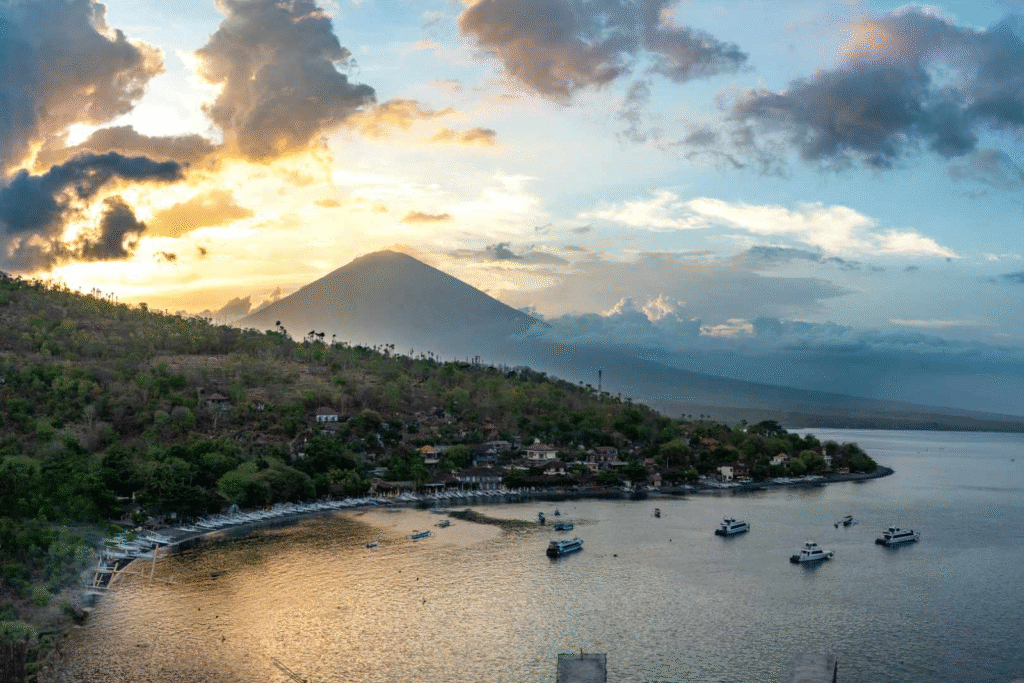
Amed sits on Bali's northeast coastof Buleleng, and it has a feel that's distinctly its own. Volcanic black sand beaches, traditional jukung fishing boats pulled up on shore, and coral gardens close enough that you can walk straight into them.
Jemeluk Bay is where most snorkelers head first. Shore entry is easy, the water is calm, and the reefs begin almost immediately. Sea turtle sightings happen regularly in Amed. It's one of those spots where you plan for an hour and surface two hours later wondering where the time went.
Difficulty: Beginner-friendly with easy shore access.
Worth knowing: Affordable local accommodations make Amed a good base for multiple days of snorkeling along this stretch of coast.
Highlights: Traditional fishing boats (jukung), coral gardens close to shore, and affordable local accommodations
Menjangan Island
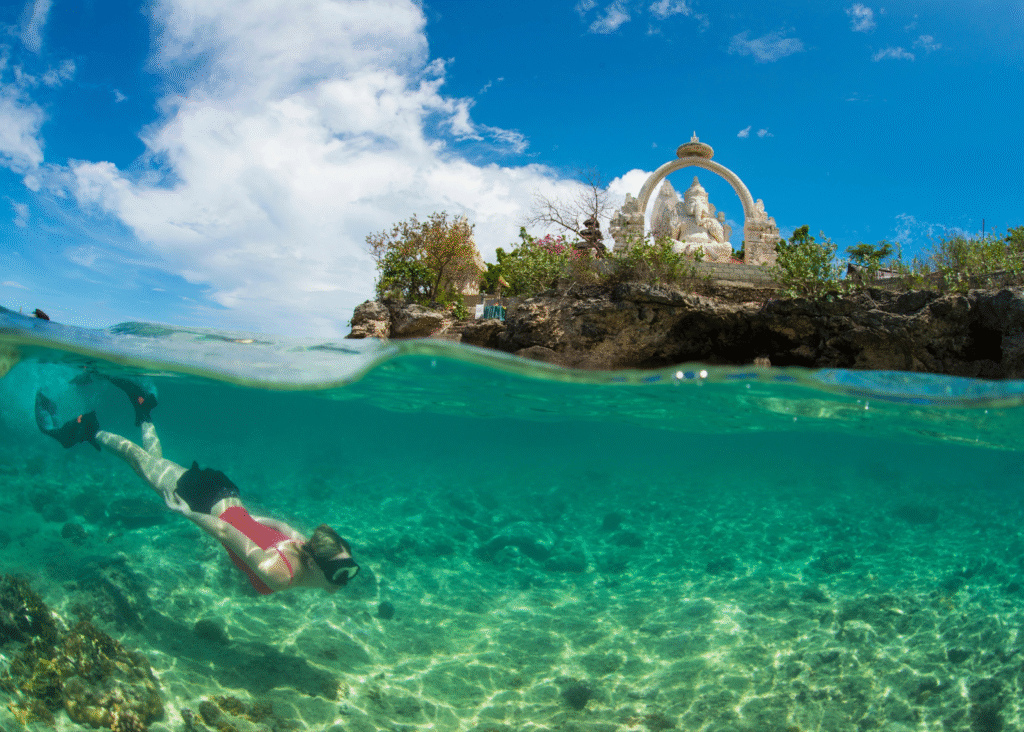
Getting here takes more effort than the other spots, but it rewards the extra distance. Menjangan is part of West Bali National Park, and the journey reflects that. But the protected status shows in the reefs. These are some of the best-preserved coral walls in Bali, home to larger pelagic species you won't encounter closer to shore.
Difficulty: Beginner to advanced, due to deeper waters and stronger currents in some areas. An experienced guide is recommended, though if you're snorkeling near the shore, you'll still see the rich marine life.
Blue Lagoon, Padang Bai
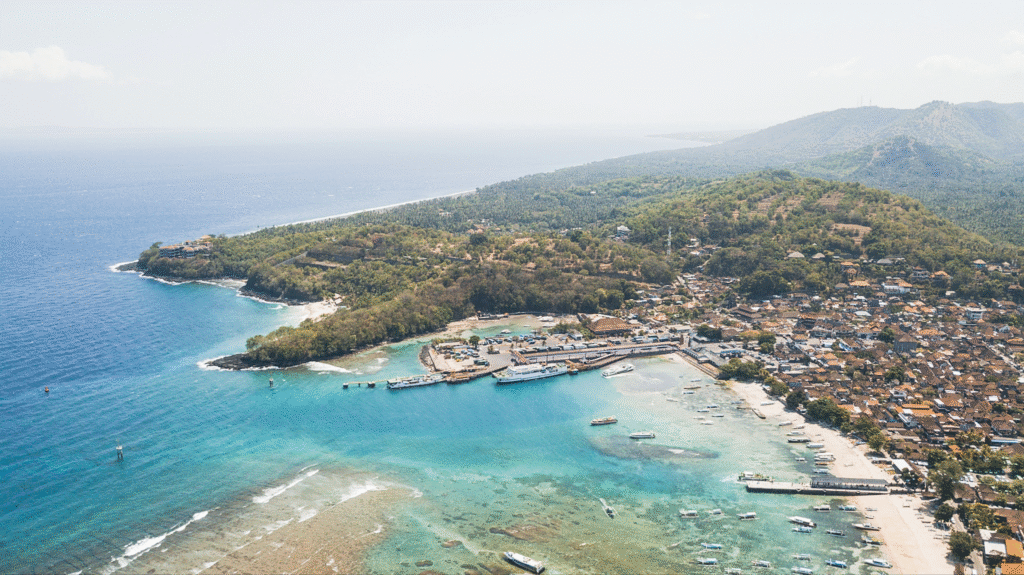
Blue Lagoon snorkeling is a consistent favorite for first-timers, and the reason is simple: the bay provides calm, protected conditions even when other areas are rough. Clownfish, cuttlefish, and coral landscapes that photograph beautifully in Blue Lagoon. Easy access, no drama.
Difficulty: Beginner-friendly
Highlights: Easy access, calm waters, and vibrant coral gardens perfect for first-time snorkelers
Nusa Lembongan
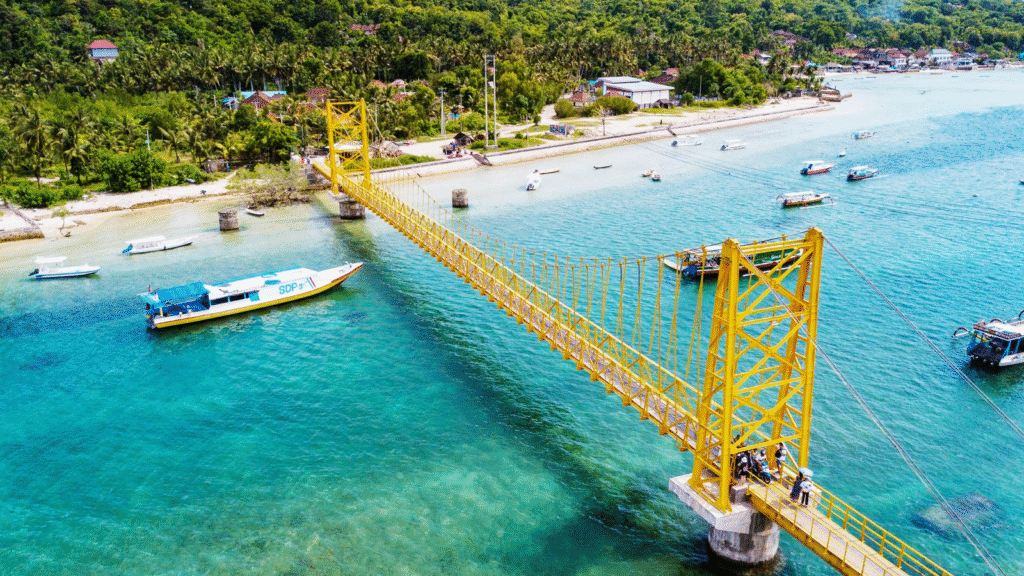
Two main spots define snorkeling here. Mangrove Point offers drift snorkeling — the current carries you gently along the reef, covering ground with almost no effort, which is as pleasant as it sounds. Jungut Batu is calmer and better suited to beginners, with rich coral life and easy entry.
Difficulty: Intermediate, mainly due to the currents at Mangrove Point.
Drift snorkeling at Mangrove Point offers a natural ride through coral gardens. The currents here gently carry you along the reef, making it an effortless way to cover more ground. Jungut Batu is an ideal spot for beginners, with still waves and rich coral life.
Difficulty: Intermediate (due to currents)
Highlights: Mangrove ecosystems, drift snorkeling experiences, and excellent visibility
Serangan
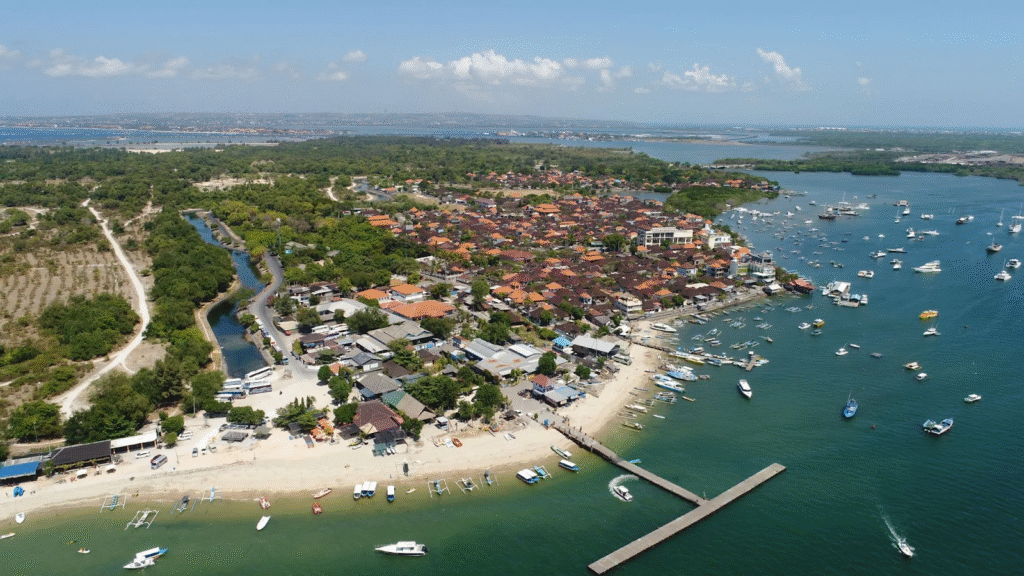
A safe bet for families with kids, with the bonus of a turtle sanctuary nearby. The shallow lagoons and protected waters make this ideal for young snorkelers. The locals who serve as guides are known for being especially helpful in assisting families and beginners throughout their snorkeling experience.
Difficulty: Beginner and family-friendly
Highlights: Turtle conservation center, calm waters, and educational opportunities about marine conservation
Each location feels like a different version of Bali. One moment, you’re floating over a shipwreck; the next, you’re eye-to-eye with a manta ray. Few places in the world offer that kind of variety within such short distances.
Conservation and Marine Ethics
Bali's reefs are spectacular. They're also under real pressure from tourism, and some of the damage is already visible in popular areas. To ensure the protection of coral reefs and marine life, it’s important to follow responsible snorkeling practices:
- Use reef-safe sunscreen only. Using reef-safe sunscreen is essential to protect coral ecosystems while snorkeling.
- Never touch or step on corals
- Avoid chasing fish or turtles—let them come to you
- Support local guides and operators who follow sustainable practices
- Don’t feed marine life or remove anything from the ocean
Bali gives so much beauty; it’s only fair to give something back by treating it gently.
What to know before snorkeling in Bali
Snorkeling Packages
Bali offers a wide variety of snorkeling packages tailored to every type of traveler. Whether you’re looking for a quick half-day escape or a full-day exploration of multiple snorkeling spots, there’s a package to match your needs.
Most snorkeling packages in Bali include everything you need for a smooth and enjoyable trip: high-quality equipment, the guidance of experienced local, and convenient hotel pickup and drop-off.
With prices starting from around Rp 1,000,000 per person, these packages make it easy to discover Bali’s best snorkeling spots without any hassle. You can choose your preferred date, join a group or opt for a private experience, and trust that every detail—from transportation to safety—is taken care of. With so many options available, Bali offers the perfect snorkeling package for every adventurer, ensuring a memorable day on the water.
Hotel Pickup and Logistics
Planning your snorkeling adventure in Bali couldn’t be easier, thanks to the many operators that offer hotel pickup and drop-off as part of their snorkeling packages. Whether you’re staying in Kuta, Ubud, Sanur, or another popular area, you can count on a smooth and stress-free start to your day. Simply choose your preferred snorkeling destination and let the team handle the rest.
Cost of Snorkeling in Bali
Cost of snorkeling in Bali varies on destination and travel time. The cost of snorkeling in Bali can range from IDR 650,000 to IDR 1,750,000 per person depending on the tour and location.
Snorkeling and island hopping tours are popular among travelers looking to explore multiple locations in one day. Combination tours can vary in duration, typically ranging from 9 to 12 hours depending on the activities included. With a wide choice of snorkeling packages and options, travelers can select the best fit for their needs and budget.
Most packages include all the essentials: comfortable transportation, lunch, and refreshments, as well as top-quality snorkeling equipment like fins, masks, and life jackets.
With no hidden fees and a straightforward booking process, you can focus on enjoying your trip from start to finish. Whether you’re seeking a relaxing day exploring Bali’s underwater wonders or an action-packed adventure with friends, the island’s snorkeling packages make it easy to dive in and discover the magic beneath the waves.
Booking Snorkeling Operators in Bali
With so many options, it’s important to choose a reputable snorkeling operator in Bali. Many operators offer guided snorkeling trips that are suitable for beginners and non-swimmers. Assistance is always available for beginners, ensuring you feel supported and safe throughout your snorkeling adventure.
Why Sail with The Shivanna?
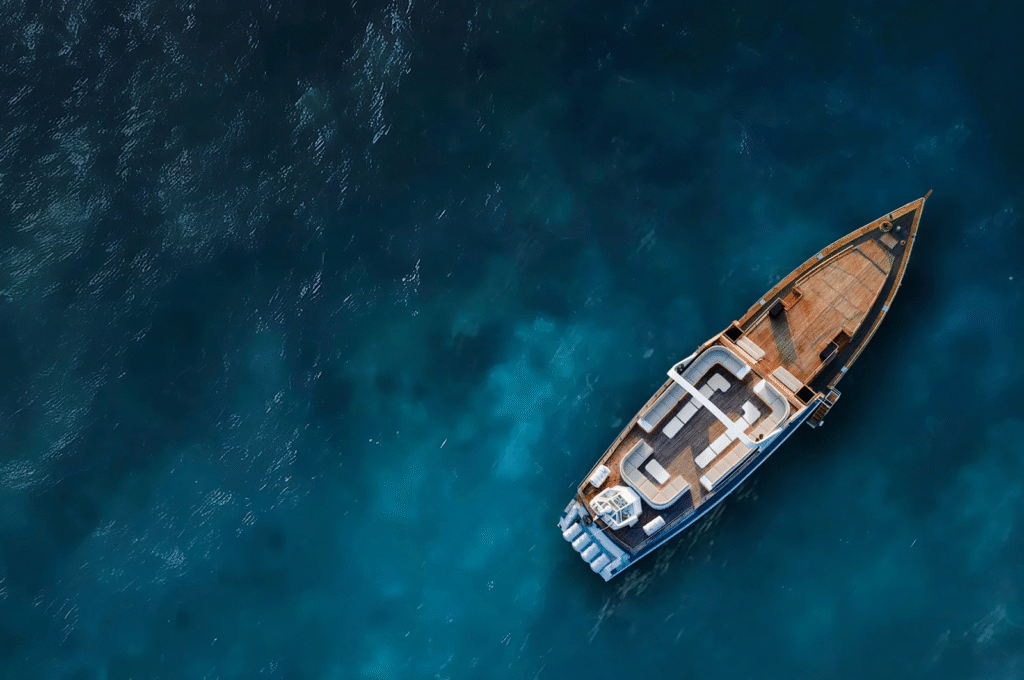
The typical snorkeling boat experience in Bali involves a crowded vessel, an early start, a rushed schedule, and a long, choppy ride back. It works. But it's not the only option.
The Shivanna approaches snorkeling differently. As a luxury yacht charter, it serves as a proper floating base: spacious decks, comfortable seating, premium amenities. You explore the coast at a pace that actually allows you to enjoy it. The crew handles transportation, equipment, and logistics. Between snorkeling sessions, you're relaxing on deck with Bali's coastline passing by, not crammed into a shared speedboat.
It's a different relationship with the ocean entirely.
FAQ
Is snorkeling in Bali beginner-friendly?
Yes, especially in Amed, Blue Lagoon, and Serangan where conditions are calm and access is easy.
Do I need to bring my own gear?
Not necessary, but a personal set ensures comfort and hygiene. Rental gear is widely available at all major snorkeling sites.
Can kids snorkel in Bali?
Absolutely. Many sites are shallow and calm enough for families. Areas like Serangan and Blue Lagoon are particularly good for children.
What's the best time to snorkel in Bali?
April to October during the dry season, with mornings offering the calmest seas and best visibility.
Final Thoughts
Snorkeling in Bali isn't something you forget. Floating above a coral garden, watching light ripple across the seabed, finding yourself eye-level with a manta ray — these are the moments that shift how you see the island.
Bali has many faces. Underwater, it shows you one that most visitors never encounter.
Pack your fins. Choose your reef. The water is waiting.
Whether you paddle out from a quiet beach in Amed, or hop off The Shivanna deck, the magic is the same. Bali has many faces, but underwater, it feels like the island is whispering secrets most travelers never hear.
So pack your fins, choose your reef, and dive in. Bali is waiting just beneath the surface.
This article is written by the local Shivanna crew who have assisted our guests aboard our luxurious charter with their insightful recommendations about the unique shores of Bali to help them make well-informed decisions.