
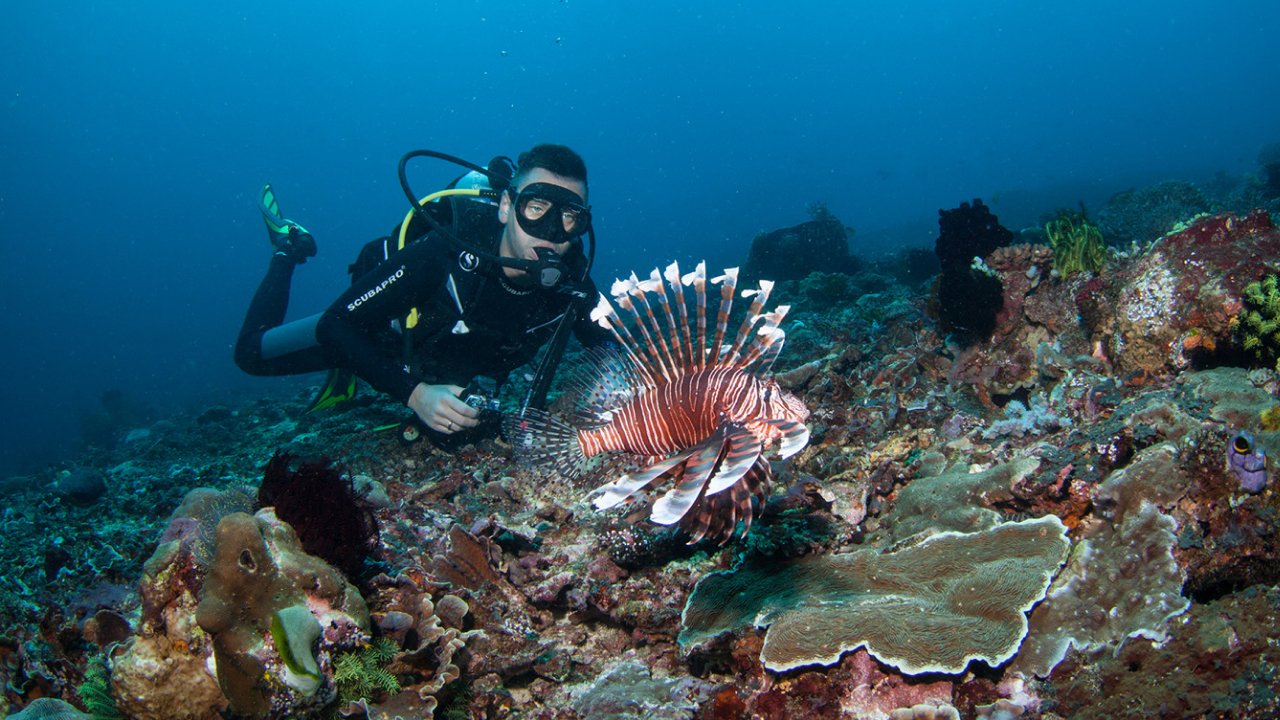
Bali may be world-famous for its beachside sunsets and vibrant culture, but its real treasure lies under the waves. Slip beneath the surface and you’ll discover an underwater wonderland. Picture a sunken WWII ship turned coral sanctuary, manta rays gliding effortlessly overhead, and reef fish painting the water with every color imaginable.
First-timer? Bali makes for an excellent starting point. Veteran diver? You’ll find challenges here that keep even seasoned pros on their fins. Thanks to its location within the Coral Triangle, the island boasts some of the richest marine biodiversity on Earth. Every dive is a chance to see something unforgettable.
Why is Bali a must-visit diving destination?
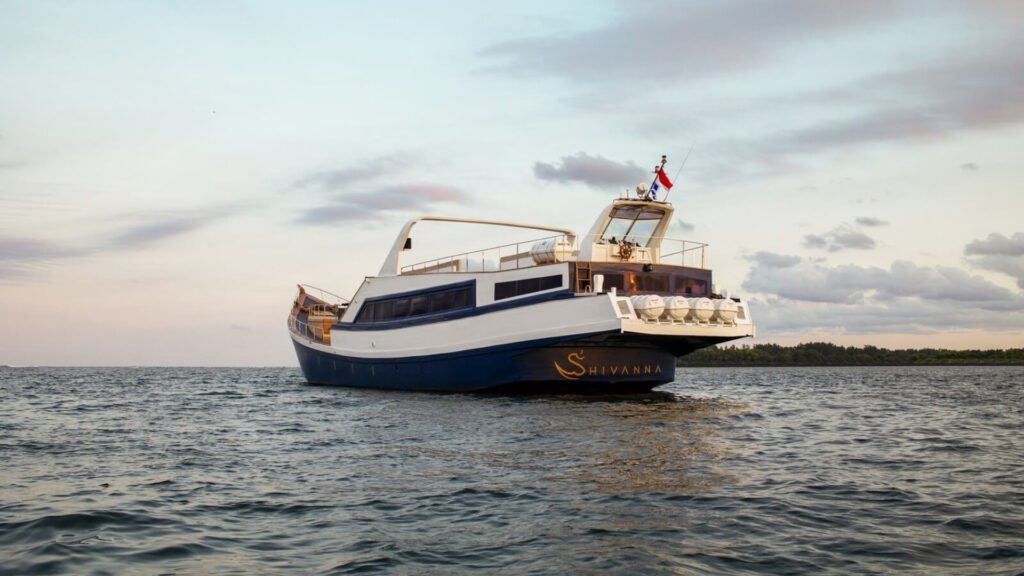
While The Shivanna cruises smoothly across Bali’s shimmering seas, an entirely different world comes alive just beneath the surface. Hidden under the warm currents lies a diving paradise one that can hold its own against the legendary waters of Komodo Island or Raja Ampat.
Diverse Marine Life
From native sea turtles, manta rays, and even an occasional sighting of a magnificent mola-mola (sunfish), the warm waters of the Bali seas is the perfect spot to see these incredible marine life from up close.
Diving for All Levels
New to diving? Or maybe you’re a seasoned pro? Bali caters to both ends of the spectrum. Gentle, shallow reefs make for safe and stunning beginner dives, while drift dives and deep walls challenge the more adventurous.
Year-Round Diving
One of the best things about Bali is its year-round diving season. Sure, visibility shifts with the monsoon winds, but the waters remain clear enough to reveal the bustling marine life below. In other words you’ll always have a good reason to dive.
However, if you’re looking for to catch a glimpse of specific marine life, you might want to plan your diving trips accordingly: Manta ray season is usually around April and May, while Mola Mola (Oceanic Sunfish) can be seen around August to October.
World-Class Diving Operators
If you’re planning to dive in Bali, you’ll find a no shortage of PADI certified operators that will guide you through the whole pre-diving process, including medical observation, pool dives.
Diving in Bali Overview
| Diving Spot | Best For | What You’ll See | Travel Tips |
| Tulamben (USS Liberty Shipwreck) | Beginners | Famous WWII shipwreck, coral gardens, schooling fish | Easy access from shore, plenty of dive shops, budget-friendly stays nearby |
| Nusa Penida – Manta Point & Crystal Bay | Advanced Divers | Manta rays, mola-mola (seasonal), colorful reefs | Best with guided tours, strong currents, go early morning for calmer seas |
| Amed | Intermediate | Healthy reefs, sea turtles | Relaxed village vibe, shore diving, less crowded than Tulamben |
| Menjangan Island | All Levels | Wall dives, vibrant corals, diverse marine life | Located in West Bali National Park, best via dive operators in Pemuteran |
| Padang Bai | Beginner–Intermediate | Shark Point, Blue Lagoon, vibrant coral & fish | Multiple dive centers, easy day trip from South Bali |
| Seraya Secrets (Tulamben) | Macro Lovers | Nudibranchs, seahorses, rare critters | Popular with underwater photographers, bring macro lens |
| Secret Bay (Gilimanuk) | Experienced Macro Divers | Frogfish, ghost pipefish, rare species | Best for muck diving, visibility limited but rich biodiversity |
| Mandarin Point (Pemuteran) | Night Divers | Mandarin fish mating rituals, unique marine life | Best at dusk/night dives, Pemuteran village nearby |
| Mangrove Point (Nusa Lembongan) | Drift Divers | Fast drifts, pristine coral, schools of reef fish | Strong currents dive with experienced guides |
| The Wall (Amed) | All Levels | Drop-off wall dive, soft corals, reef sharks | Easy entry, perfect for divers looking for variety in one spot |
1. Tulamben – USS Liberty Shipwreck
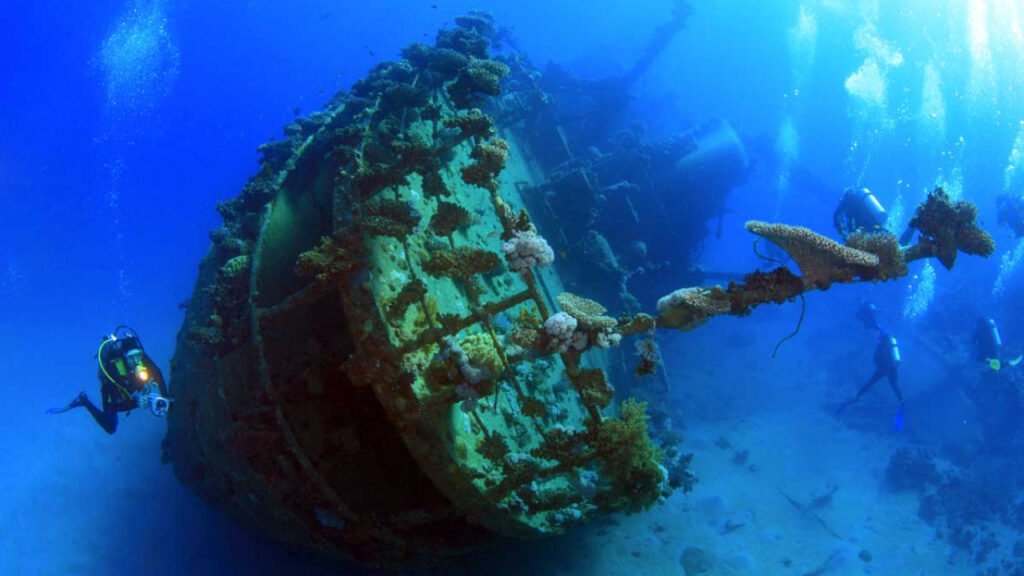
Best for: Beginners to Advanced
Depth: 3–30 m
What to see: WWII wreck, coral gardens, barracuda, giant trevally
Bali’s most iconic dive site sits just 25 meters offshore. The USS Liberty, a U.S. Army transport ship torpedoed in 1942, now rests as a living reef buzzing with marine life. Accessible straight from the beach, it’s both beginner-friendly and endlessly fascinating for experienced divers.
If you’re ready for a solo diving adventure alongside fellow seasoned professionals, this is the place for independent diving without a guide. You can simply rent a tank from a dive center.
Getting there: Around 2.5 hours by car from Denpasar. Most dive shops will arrange transport and gear.
Pro tip: Stay overnight in Tulamben village. Sunrise dives are unbeatable calm seas, clear water, and the wreck alive with activity.
2. Nusa Penida – Manta Point
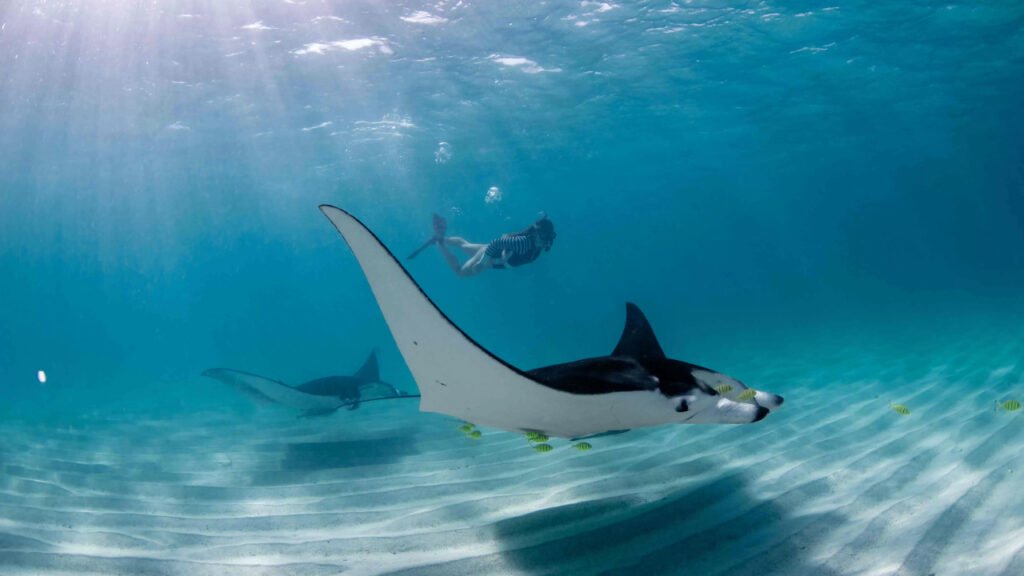
Best for: Advanced divers
Depth: 10–30 m
What to see: Manta rays, reef sharks, coral gardens
Few moments compare to hovering face-to-face with a manta ray. These gentle giants, with wingspans up to 7 meters, return here year-round to feed and be cleaned. The best encounters happen from April to November.
Getting there: Fast boats from Sanur take 45 minutes, or opt for the ferry from Padang Bai. Dive centers on Bali run day trips regularly.
Note: Choose eco-conscious operators who protect the mantas and their habitat.
3. Nusa Penida – Crystal Bay
Best for: Intermediate to Advanced
Depth: 5–35 m
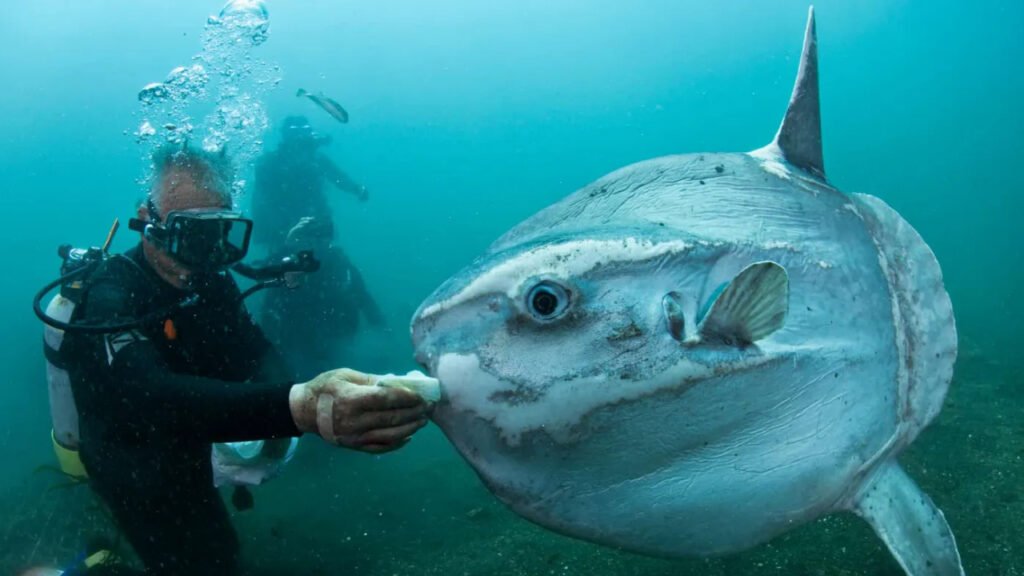
What to see: Mola-mola (sunfish), soft corals, reef fish
Crystal-clear visibility gives this bay its name. Its star attraction? The elusive mola-mola. From July to October, these deep-sea oddities rise to shallower waters to be cleaned by reef fish a truly rare spectacle.
Getting there: Same routes as Manta Point. Both sites are often combined in one trip.
Insider tip: Early-morning dives mean calmer seas and better chances of spotting mola-mola.
4. Amed – The Wall
Best for: All levels
Depth: 5–40 m
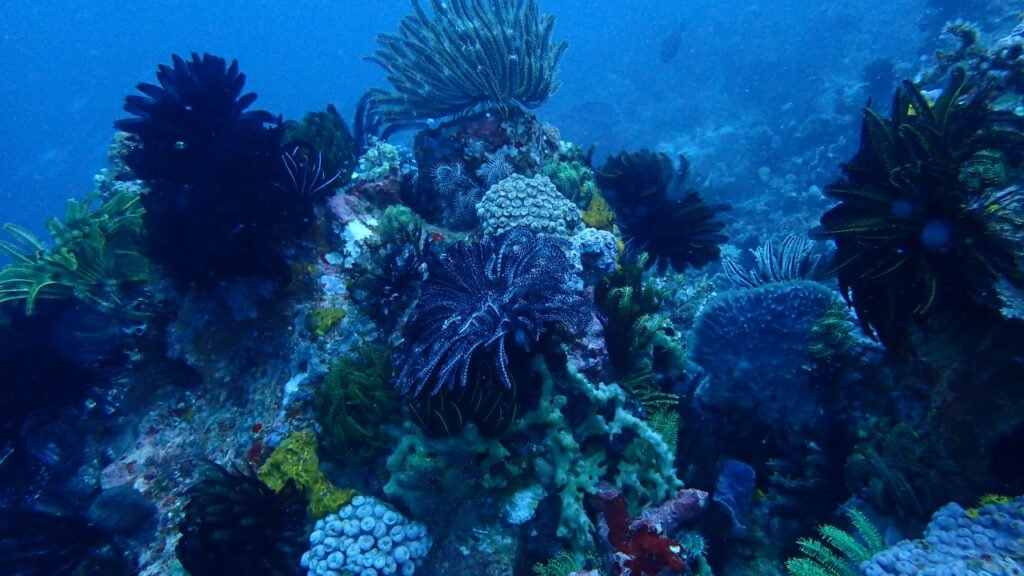
What to see: Wall diving, turtles, reef sharks, nudibranchs
Amed’s drop-off wall plunges into the blue, offering everything from macro life to cruising pelagics. Its volcanic sand bottom makes for striking underwater contrast.
Getting there: About 2 hours from Denpasar. Amed village has dive shops and cozy beachfront stays.
Travel tip: Great for underwater photography thanks to the black sand backdrop.
5. Menjangan Island – Eels Garden
Best for: Beginner to Intermediate
Depth: 5–25 m
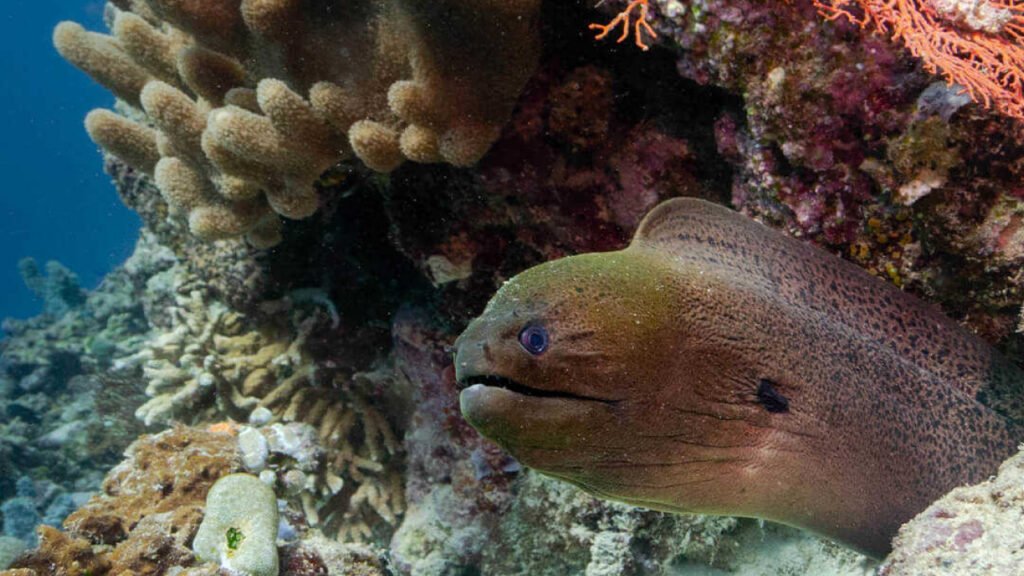
What to see: Garden eels, pristine coral, small reef species
Part of West Bali National Park, Menjangan Island is known for pristine conditions and calm waters. At Eels Garden, hundreds of garden eels sway in the current, creating an otherworldly view.
Getting there: Drive 3 hours to Labuan Lalang, then take a 20-minute boat.
Travel tip: Park entry fees apply, but visibility often tops 30 m well worth it.
6. Menjangan Island – POS 2
Best for: All levels
Depth: 3–40 m
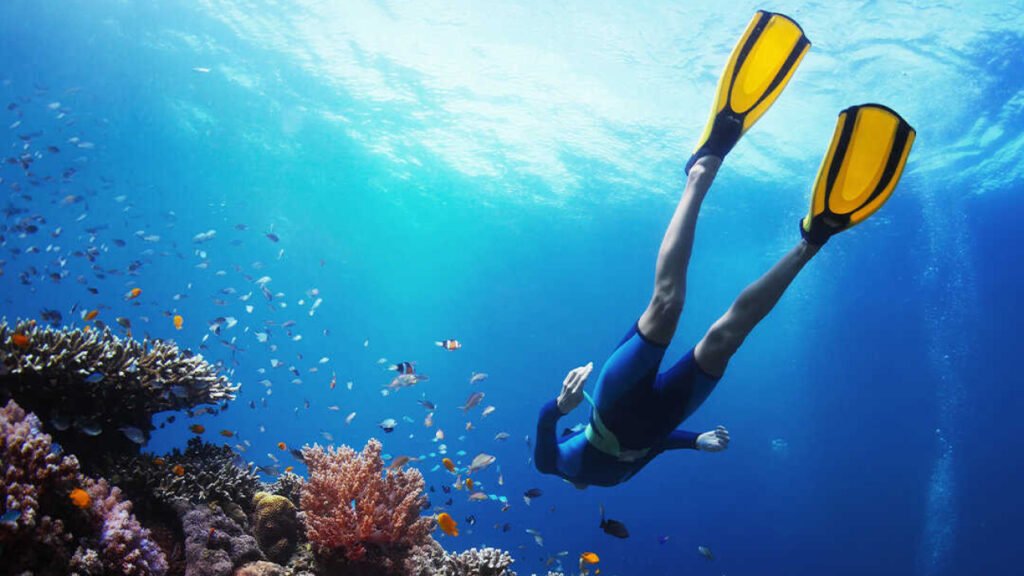
What to see: Coral walls, sharks, groupers, hard and soft corals
This gentle slope-turned-wall dive is teeming with marine life, from tiny critters to large reef dwellers. The corals here are some of Bali’s healthiest.
Getting there: Same as Eels Garden both are usually included in a day trip.
Travel tip: Calm waters make it a perfect training or photography site.
7. Gilimanuk – Secret Bay
Best for: Advanced divers, macro fans
Depth: 3–18 m
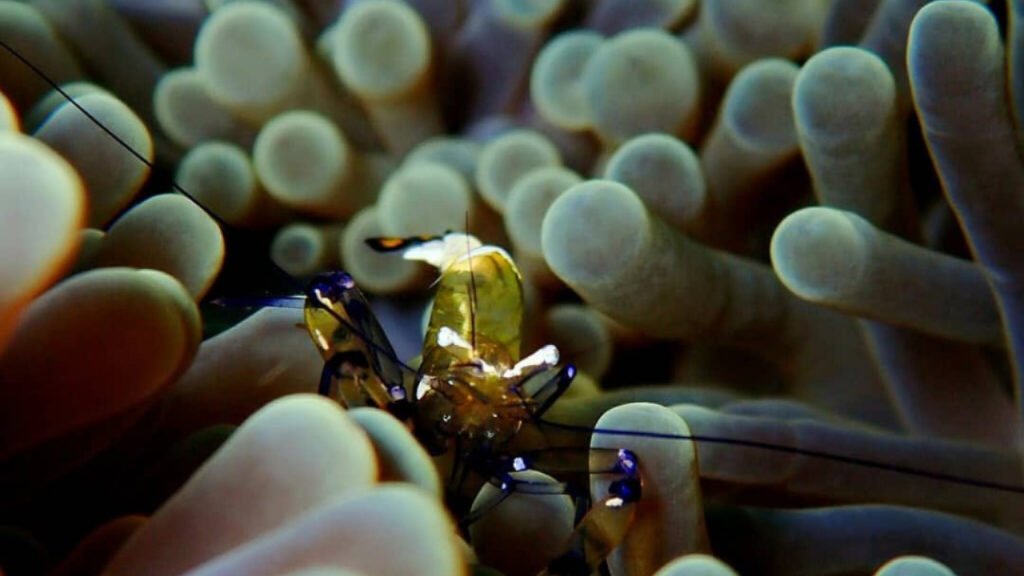
What to see: Frogfish, pipefish, rare juveniles
Secret Bay proves that murky water can hide incredible surprises. This muck-diving site is home to bizarre critters that photographers dream of capturing.
Getting there: 3-hour drive to the far west of Bali. Often combined with Menjangan trips.
Travel tip: Bring a dive light patience and sharp eyes are key here.
8. Pemuteran – Mandarin Point
Best for: Intermediate divers
Depth: 5–30 m
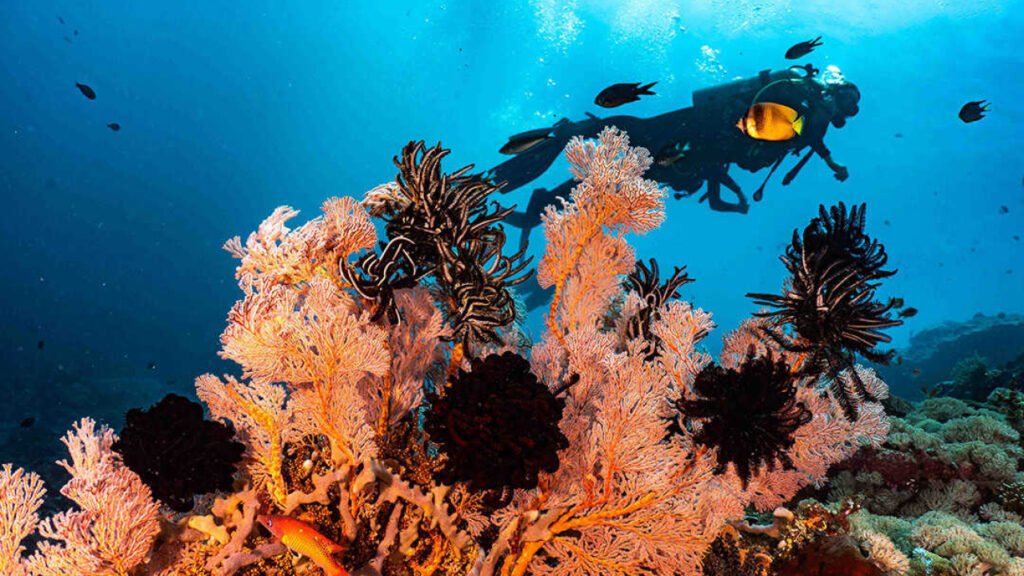
What to see: Mandarin fish, restored reefs, reef ecosystems
Community-led reef projects in Pemuteran have helped build some of Bali’s most thriving coral gardens. At dusk, lucky divers can spot the elusive mandarin fish performing their mating dance.
Getting there: 2.5-hour drive from Denpasar to Pemuteran village. Dive shops are plentiful.
Travel tip: Schedule a sunset dive for the best mandarin encounters.
9. Nusa Lembongan – Mangrove Point
Best for: All levels
Depth: 8–30 m
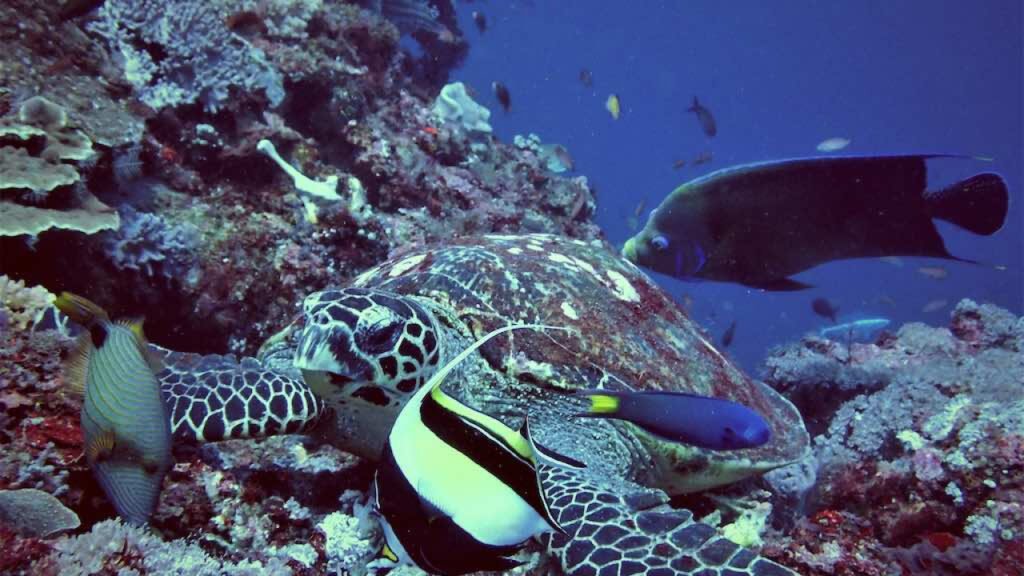
What to see: Drift dive, pelagics, reef sharks
Currents between Nusa Lembongan and Ceningan sweep divers along lively reefs packed with sharks, rays, and schools of fish. Exciting, but best with an experienced guide.
Getting there: 30-minute fast boat from Sanur to Lembongan, then a short ride to the site.
Travel tip: Conditions change quickly advanced drift-diving skills recommended.
10. Padang Bai – Shark Point
Best for: Beginner to Intermediate
Depth: 8–35 m
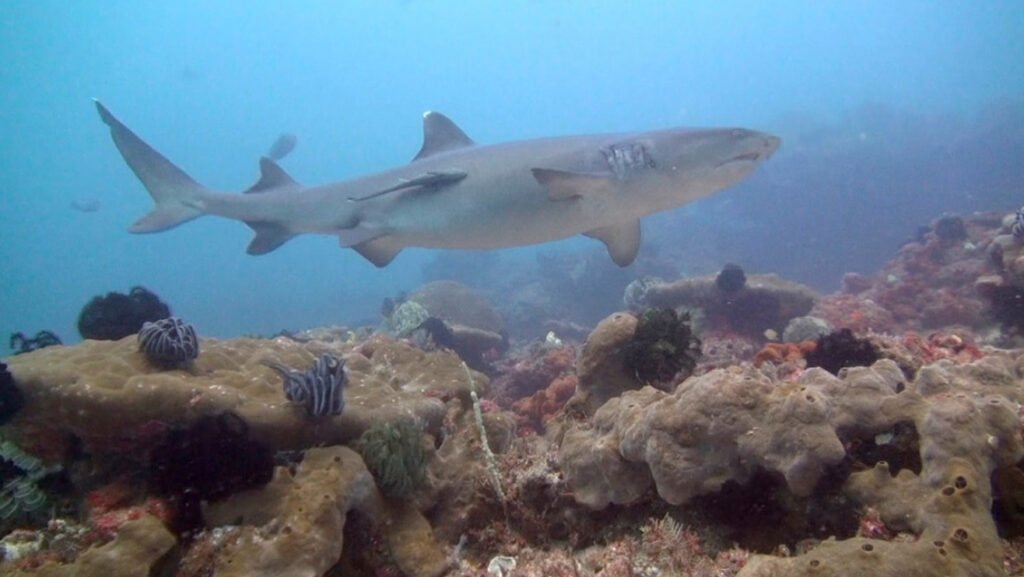
What to see: White-tip reef sharks, soft corals, tropical fish
Don’t let the name fool you! Shark Point offers calm encounters with reef sharks and thriving coral gardens. It’s also a nursery for many smaller species.
Getting there: 1-hour drive to Padang Bai, where dive shops and ferries to the Gilis operate.
Travel tip: Great option if you want to combine Bali and Gili diving.
What To Know Before Diving in Bali
Thinking of exploring Bali’s underwater beauty? Here are some important things to know before taking the plunge:
Certification requirements
Many dive sites in Bali will ask for at least an open water certification to join their trips. If you’re brand new, no worries. Plenty of schools on the island offer PADI or SSI courses so you can get certified right here.
Familiarizing with gears
Masks, fins, regulators it can feel like a lot at first. That’s why training usually includes pool practice sessions, so you can get comfortable with the gear before heading out to the ocean.
Learn safety measures
Instructors will cover vital safety habits, like equalizing your ears, checking your oxygen gauge, and always diving with a buddy. These basics keep your underwater adventure both safe and enjoyable.
Pricing packages
Prices differ depending on location, experience level, and gear rental. You’ll find everything from introductory fun dives to multi-day certifications and guided trips to hotspots such as Tulamben or Nusa Penida.
Prices usually range from IDR 600,000 - IDR 900,000 (around $30-$50) for a single dive, while advanced diving trips (2-day or more) can start from IDR 1,000,000 ($90).
Planning Your Bali Dive Trip
- Best time: April–November brings the calmest seas, though diving is possible all year.
- Water temperature: 26–29°C (79–84°F). A 3mm wetsuit works perfectly.
- Certifications: Open Water is enough for most dives. Advanced certification opens up deeper and current-heavy sites.
- Dive operators: Stick with PADI/SSI-certified shops that focus on safety and sustainability, such as Atlantis Bali Diving, Tulamben Scuba
- Gear: Rentals are plenty in dive shops all over the island.
FAQ
Does Bali have good diving?
Yes, Bali has a great diving scene that you should definitely experience during your trip !
How old can you start diving in Bali?
Kids as young as 8 can join a pool-based diving experience. Children aged 10-14 are eligible for a PADI Open Water Diver certification, diving with a guardian at a maximum depth of 12 feet.
How much does it cost to dive in Bali?
The cost of diving in Bali varies depending on your experience and the type of trip you choose. For first-timers, a Try Scuba session usually starts from around IDR 1,000,000 to 1,300,000 per dive (around $90-$100)
Can beginners dive in Nusa Penida?
Yes, Nusa Penida is a great place for snorkelling and diving. First-timers and pro divers can have enjoyed their underwater experiences in Nusa Penida.
Final Thoughts
Bali diving is addictive. One minute you’re peeking at corals off the beach, the next you’re chasing manta rays or diving into a wreck. From adrenaline-pumping drifts to peaceful coral gardens, every site has its own story to tell. It’s no wonder so many divers keep returning because Bali never runs out of underwater magic.
After a day of thrilling underwater discovery, step back on deck with The Shivanna, where the pace slows, the sky turns golden, and sunset sips flow effortlessly in hand.