

Are There Sharks in Bali? Species, Safety & Best Places to See Them
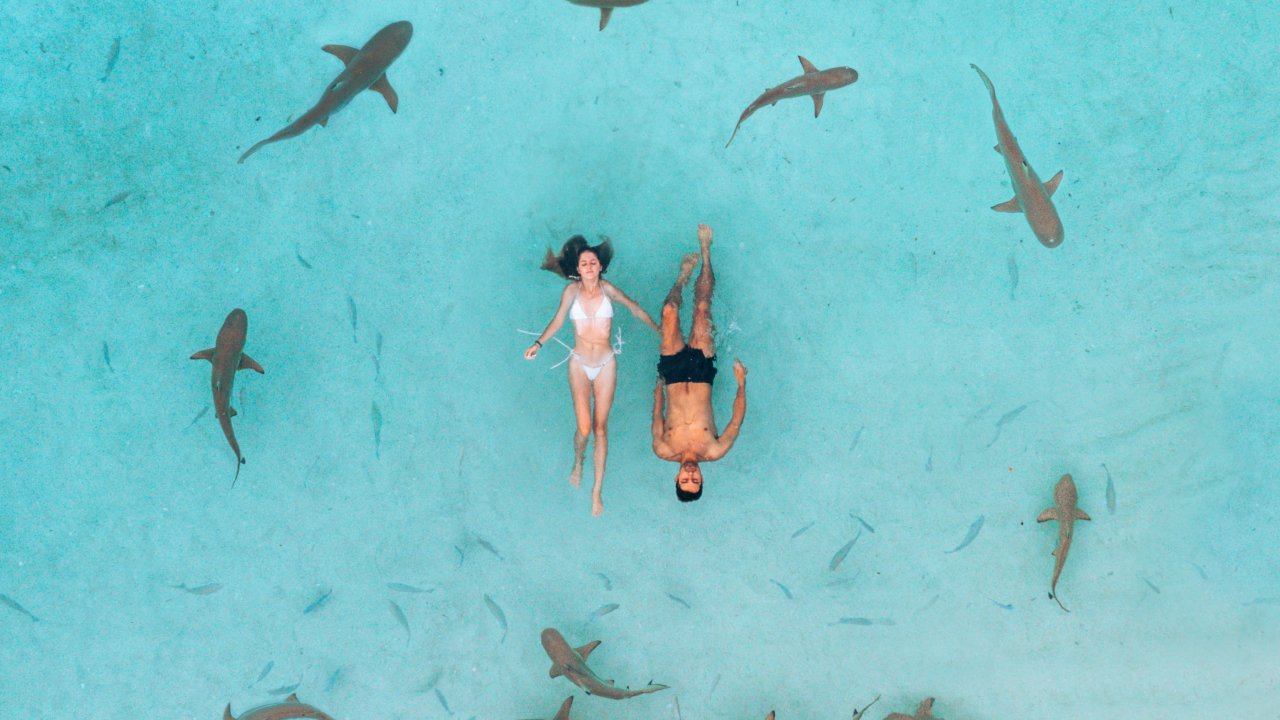
Let's address the question that probably brought you here: Are there sharks in Bali?
Yes. Absolutely. And that's actually wonderful news.
Unlike the sharks you see in the movies, most are small, shy, and far more interested in the reef ecosystem than in any human paddling overhead. They're camouflaged bottom-dwellers, nocturnal hunters keeping to themselves, and graceful creatures that divers travel thousands of miles hoping to glimpse.
Bali's sharks are part of what makes the island's underwater world so spectacularly alive. They're indicators of healthy reefs, apex predators keeping entire marine ecosystems balanced.
This article will be breaking down one of Bali’s native species to ease your mind before dipping your toes in the warm waters of the Bali seas.
Sharks in Bali
Bali's waters host several shark species, but surprisingly, they're almost all harmless to humans. They’re mostly reef sharks, the kind that cruise along coral formations looking for small fish, not surfboards.
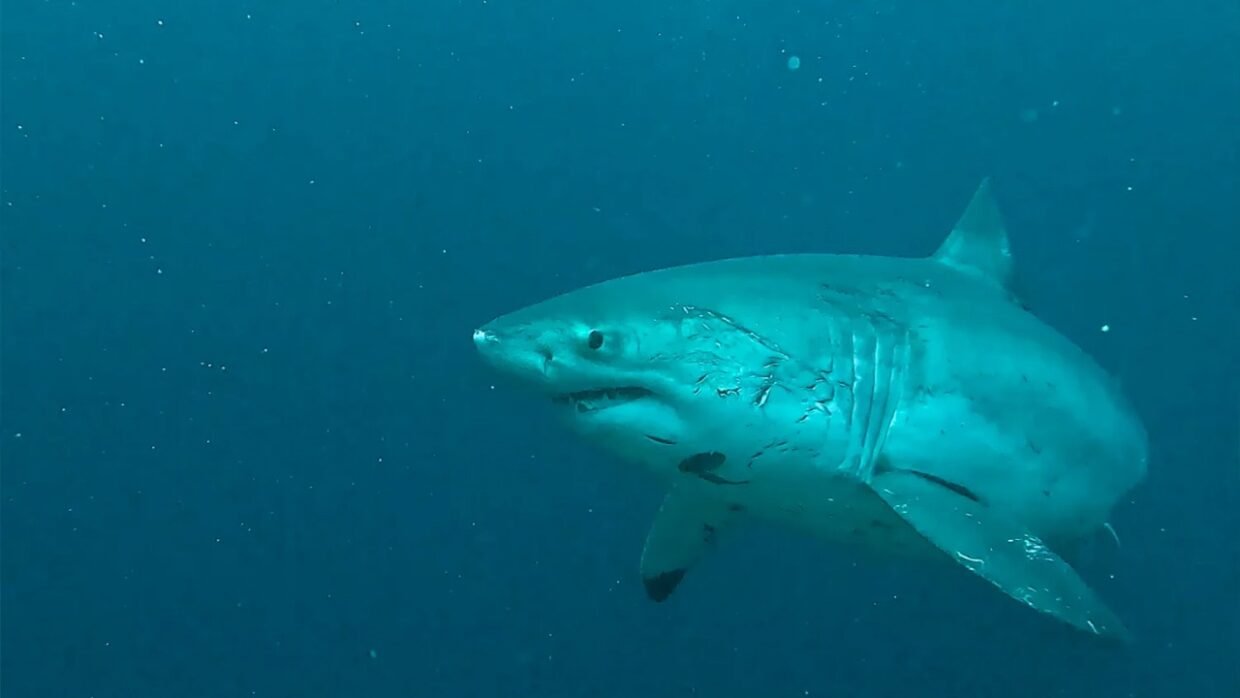
The warm currents are not a favored temperature for the infamous great white sharks. So if you’re worried you might encounter a great white shark in Bali, chances are very slim. As of 2025, there’s only been a handful of recorded sightings of stray great whites, mainly around Nusa Penida during the migration period.
Here are the types of sharks in Bali you will most likely encounter during your marine adventure.
Blacktip reef sharks are probably what you'll see first if you're diving around Nusa Lembongan or Amed, cruising in the shallow, warm waters. They're sleek, beautiful, and identifiable by those distinctive black markings on their fins. Approach one underwater and it will usually glide away.
Whitetip reef sharks prefer the nocturnal life. During the day, you might spot them resting in caves or under coral ledges around Tulamben or Menjangan Island. At night, they emerge to hunt; but again, their prey is small fish and crustaceans. They're calm, approachable (to a respectful distance), and completely harmless unless you do something wildly inadvisable like try to grab one.
Then there are the wobbegongs, possibly Bali's most fascinating sharks and definitely the most unexpectedly named. These bottom-dwelling carpet sharks are masters of camouflage, lying motionless on the seafloor looking like elaborate patches of algae-covered rock. Padang Bai is wobbegong territory. You might swim right over one without realizing it's there, which is exactly how they hunt.
Bamboo sharks are the gentle souls of the group. Small, docile, and often found in the shallows around East Bali and occasionally near the Gili Islands, these guys are essentially the puppies of the shark world. Divers sometimes encounter them resting on sandy bottoms, completely unfazed by the strange bubble-blowing creatures hovering nearby.
On rare occasions and high-level deeper dive sites might lead you to hammerheads passing through on migration routes. These are open-water species, not reef residents, and sightings are rare.
Types of sharks in Bali
| Shark Species | Where You'll Find Them | What They're Like | Danger Level |
| Blacktip Reef Shark | Nusa Lembongan, Amed | Shy, reef-dwelling | Harmless |
| Whitetip Reef Shark | Tulamben, Menjangan | Nocturnal, calm | Harmless |
| Wobbegong Shark | Padang Bai | Camouflaged bottom dweller | Harmless |
| Bamboo Shark | East Bali, Gili Islands | Small, docile | Harmless |
| Thresher/Hammerhead | Deep water (rare) | Migratory | Low risk |
Where To See Sharks in Bali
If you're hoping to encounter sharks during your Bali trip, here’s where you’ll most likely spot these exclusive creatures while you’re diving or snorkeling in Bali.
Nusa Penida & Nusa Lembongan
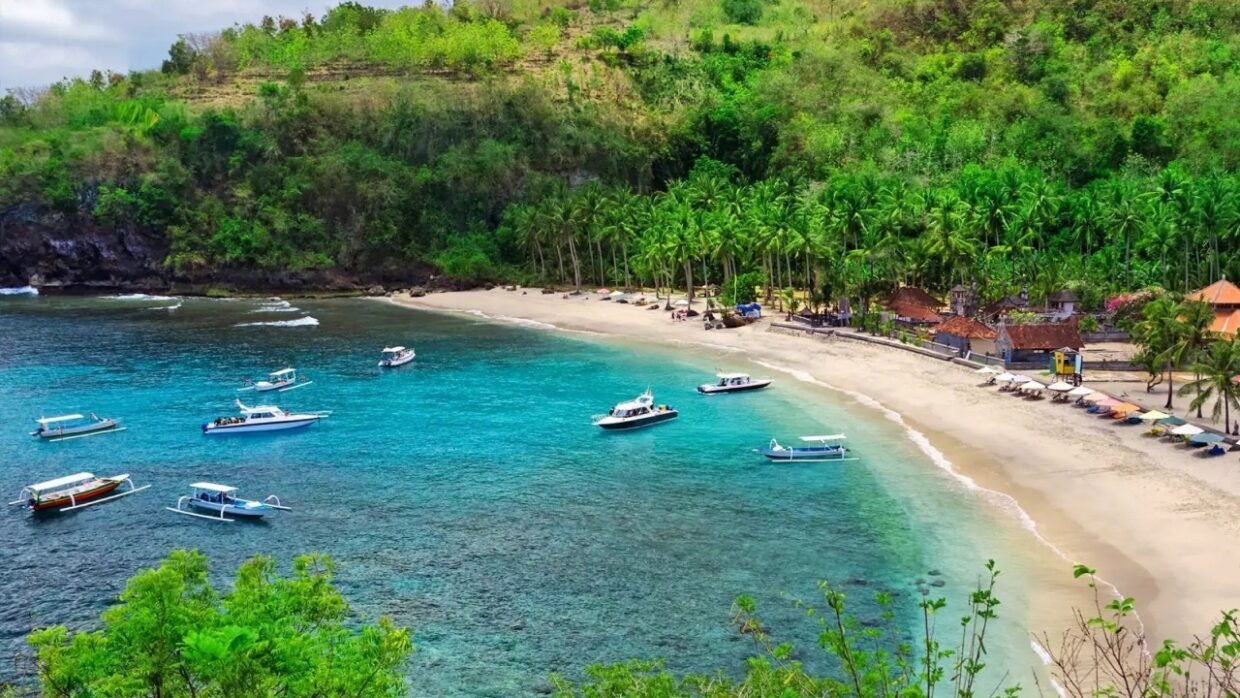
The waters surrounding these sister islands are arguably Bali's best for shark sightings. Crystal-clear visibility, thriving coral reefs, and warm currents create the perfect environment for marine life.
Crystal Bay is famous for mola mola (sunfish) season, but blacktip reef sharks patrol here year-round. The unique underwater topography of dramatic drop-offs and coral gardens makes every dive feel like exploration.
Toyapakeh offers slightly calmer conditions and equally good reef shark encounters. The coral life here is abundant, which means more fish for more sharks to swim around for.
Both locations are accessible via day trips from mainland Bali. The boat ride's part of the experience.
Amed & Tulamben (Northeast Bali)
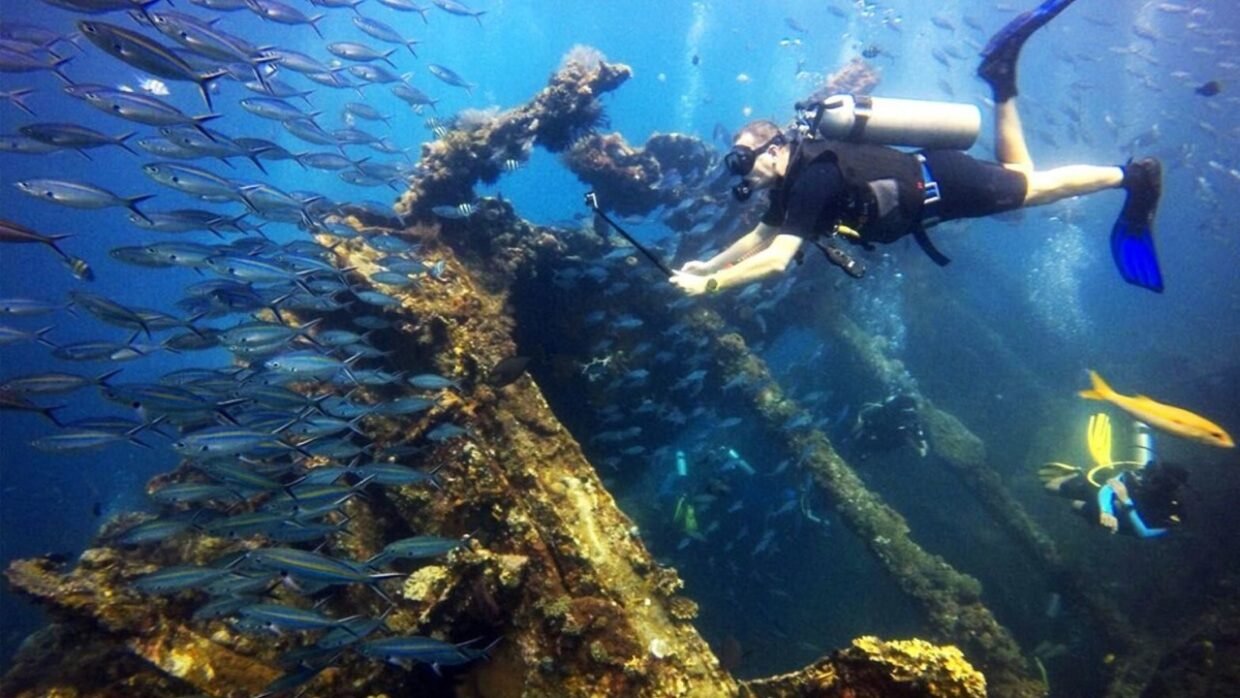
The northeast coast presents a completely different diving personality. Calmer waters, black sand slopes, and the famous USAT Liberty Wreck create conditions that suit everyone from nervous beginners to proficient divers.
The Liberty Wreck at Tulamben is one of the world's most accessible wreck dives. It's also home to whitetip and blacktip reef sharks that've made the deteriorating structure part of their territory.
Amed's multiple sites offer similar encounters in smaller, more intimate settings. The vibe here is wonderfully low-key with traditional fishing villages, no massive resorts, just pure diving.
Padang Bai & Blue Lagoon
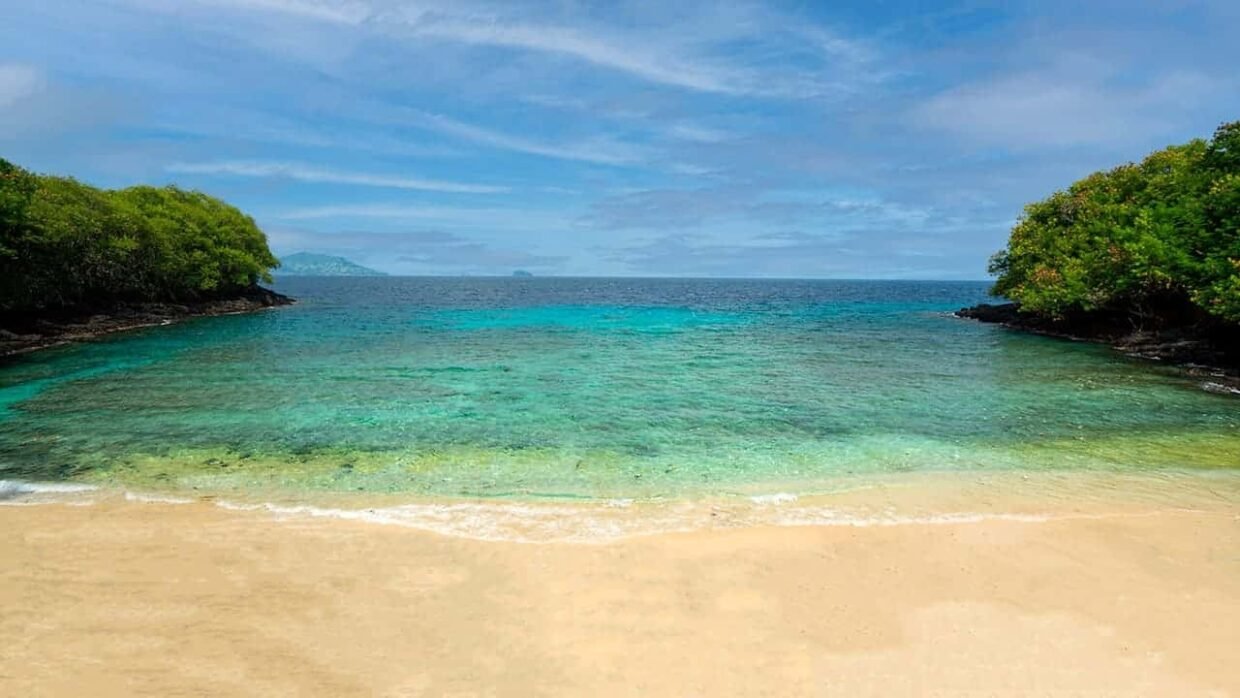
If underwater photography is your thing, Padang Bai deserves a full day of your attention.
The shallow reefs, especially Blue Lagoon, are wobbegong headquarters. Finding one requires patience and a good eye (they're really well camouflaged), but once you do, you can spend the entire dive photographing these bizarre, wonderful creatures.
Bamboo sharks occasionally make appearances here too, usually tucked under coral formations or resting in sandy patches.
Is Bali safe from sharks?
Statistically speaking, Bali's most popular beaches (the ones where tourists swim and surf) rarely see sharks at all. The reef species we've discussed live on coral reefs in deeper water, not in the shore break where you're learning to surf or where kids are splashing around.
That said, ocean safety is always smart. If you're diving, follow your guide's instructions as they know the sites, the conditions, and the marine life. Listen intently for the signals and gestures to ensure a safe diving experience.
Maintain respectful distance from any marine life. The sharks you might encounter while diving aren't aggressive. They're not territorial toward humans. They simply don't see us as food or threats—we're just these weird, noisy creatures invading their space temporarily.
Most shark sightings end with the shark swimming away long before you're ready to stop watching. That's the actual problem—getting them to stay in view long enough for photos.
For those seeking a safer and more luxurious ocean experience, consider booking a private yacht with Shivanna. Our vessels provide a secure, comfortable platform for exploring Bali's waters, with experienced crews who understand the marine environment and can guide you to the best viewing spots while ensuring your complete safety and comfort.
And if marine adventure isn’t your thing, you can just lounge on deck and bask in the easy island rhythm!
Shark Encounter Experiences in Bali
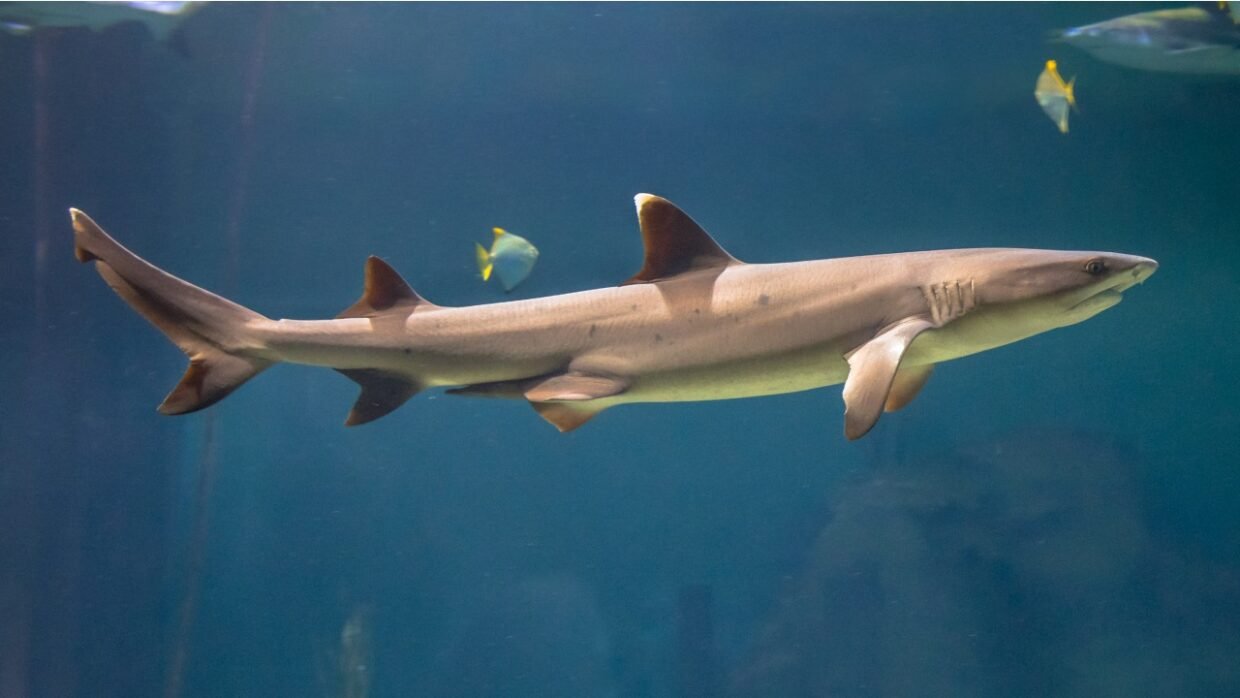
If you’re actually looking to dive into the crystal clear waters in search of the friendly reef-sharks, there are several designated diving experiences that will get you up close and personal with these reef dwellers.
Companies like Zero Gravity Diving Bali offer a curated tour that will bring you face-to-face with native sharks. Guided by expert divers, you’ll not only experience an unforgettable underwater encounter but also learn more about their meaningful shark conservation initiative.
FAQ
Are there dangerous sharks in Bali?
No. The species living here are small reef sharks that avoid humans. Aggressive species like great whites or bull sharks don't inhabit Bali's waters. The sharks you might encounter are harmless if treated with basic respect.
Can you swim safely at Bali's beaches?
Yes. Shark sightings near the main swimming and surfing beaches are extraordinarily rare. The reef sharks live on actual reefs in deeper water. You're safe at Seminyak, Sanur, Nusa Dua, and every other popular beach.
Where can I dive with sharks in Bali?
Nusa Penida, Nusa Lembongan, Amed, Tulamben, and Padang Bai are the best spots for diving and snorkeling in Bali. Book with reputable dive centers that prioritize safety and conservation. Most will explicitly mention shark possibilities when describing dive sites.
Ready to dive?
Sharks in Bali aren't the enemy. They're not lurking dangers waiting to ruin your tropical vacation. They're elegant, essential parts of an underwater world that's already disappearing far too quickly.
The fact that Bali still has healthy shark populations is actually a sign of a healthy marine ecosystem, one worth celebrating and protecting, not fearing. If you get the chance to see one while diving, consider yourself lucky. Those moments become the stories you tell for years.
But if you’d rather appreciate these magnificent creatures from a safe distance, leaving them to swim freely beneath the waves, you are more than welcome to simply sit back, relax, and enjoy the ocean views aboard The Shivanna.
Cruising along the sunset, our vessel offers the perfect vantage point to soak in the golden skies, gentle sea breeze, and the quiet thrill of the open ocean. Reserve The Shivanna today.